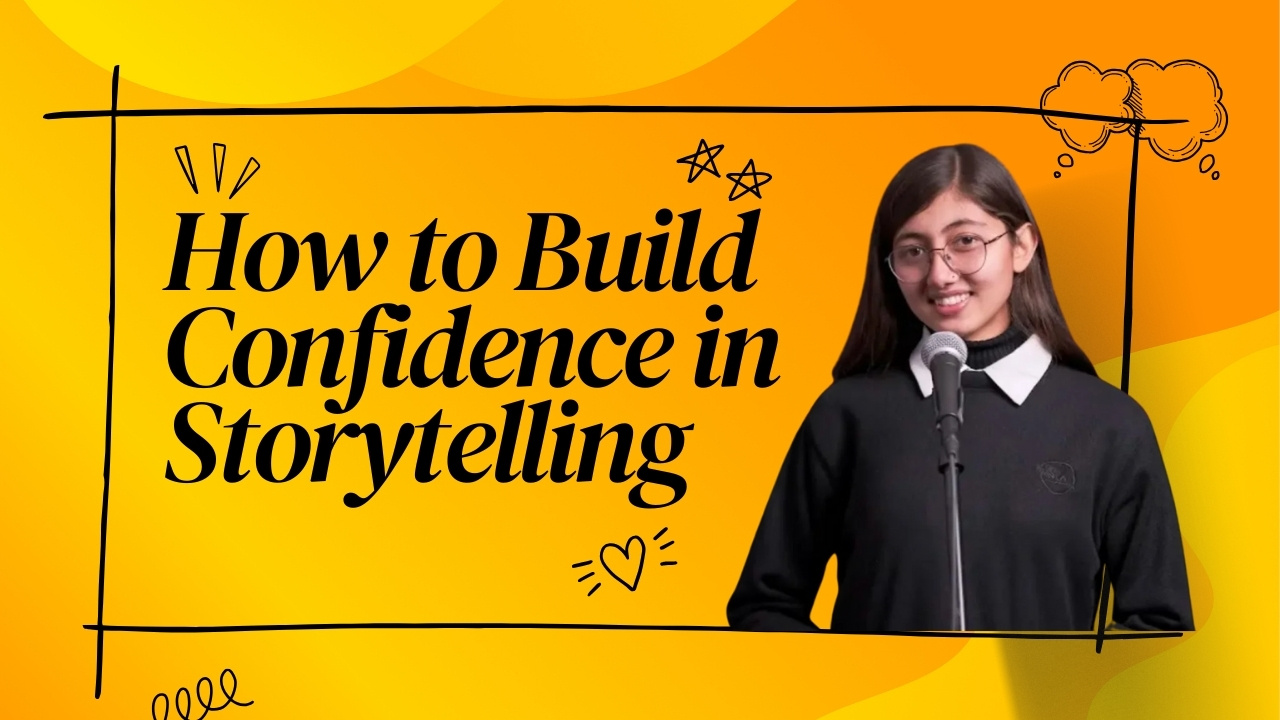
We grew up in Nepal surrounded by stories. Oral tradition is in our blood, from grandparents telling stories to families getting together for dinner. But when it’s our turn to talk, a lot of us feel very shy. We are afraid of what our family will think or feel “laaj” if we share our personal problems. This fear often keeps strong voices quiet.
However, the world is changing. With the rise of podcasts and live sharing events, learning But the world is changing. Podcasts and live sharing events are becoming more popular, so learning how to build confidence in storytelling for beginners in Nepal is no longer just a hobby. It helps you grow as a person and do well in your career. This guide is a simple, beginner-friendly map that will help you find your voice and tell the world about your journey.
Can Anyone Learn Storytelling in Nepal?
Yes, you can learn how to tell stories, just like you can learn how to ride a bike or cook. A lot of the most respected speakers in Kathmandu today used to be quiet people who were afraid of being the center of attention.
People in our culture often think that being “shy” is a good thing, but it shouldn’t stop you from saying what you want to say. You don’t get confidence right away; it comes after you start practicing. People who say they are quiet often tell the most powerful and deep stories because they pay more attention to the world around them than other people do.
Why Storytelling Is Important in Nepal Today for Personal Growth
Telling others about your experiences does more than just make them laugh. It helps you learn more about your own life. This is why it’s important to learn these skills for the future:
- Breaking the cycle: Sharing your truth helps you stop worrying about social judgment.
- Processing life challenges: Talking about a time you failed or felt rejected helps you heal and move forward.
- Building leadership skills: Professional leaders in Nepal are often great storytellers who can inspire their teams.
- Creating a support network: When you tell a story about a struggle, you realize that many other Nepalis are going through the same thing.
Is Storytelling Only for Confident or Famous People?
A common mistake is thinking you need a massive following to share a story. Many college students or young professionals feel they have nothing “special” to say. This is not true.
Think of a student in Kathmandu who felt like a failure after not getting into their dream college. By sharing that story, they might help a hundred other students feel less alone. You do not need a stage or a million followers. You just need a moment of honesty. Beginner storytelling in Nepal is about connection, not fame.
Benefits of Personal Storytelling for Confidence and Personal Growth
Telling a personal story is a great way to feel better about yourself. Here are the main benefits for your growth as a person:
- Better communication: It helps you think more clearly and speak more clearly in any situation.
- Emotional Resilience: Hearing stories about people who have overcome problems can help you see how strong you really are.
- Better Networking: If you can tell a good story, people will remember you better in job interviews and at social events.
- Cultural Connection: It helps keep the special things that our generation has done alive for future generations.
How Beginners Can Start Building Storytelling Confidence
If you feel afraid, do not try to jump onto a big stage immediately. Follow these steps to build your personal storytelling confidence gradually:
- Accept nervousness as a friend: Everyone feels a flutter in their stomach before speaking. It means you care about your message.
- Start with voice notes: Record your story on your phone. Listen to it. This helps you get used to your own voice without any audience pressure.
- Write it down first: Most people who have confident storytelling skills actually started by writing their stories in a diary or a private blog.
- Practice with one person: Tell your story to a best friend or a sibling. Ask them what part they liked the most.
- Reframe your fear: Instead of thinking “people are judging me,” think “my story might help someone else.”
Step-by-Step Guide: How Beginners Can Start Storytelling in Nepal
Step 1: Choose a “Micro-Moment
Do not try to tell your life story from birth to now. Pick one specific moment. Maybe it was the first time you traveled alone, or a lesson you learned from a stranger on a bus. Small stories are much easier for beginners to handle.
Step 2: Follow a Simple Flow
A great story needs a beginning (the setup), a middle (the struggle or change), and an end (the lesson). Keep it simple. You do not need fancy words; you just need to be real.
Step 3: Use Your Natural Voice
You do not need to speak in a “formal” or “fake” way. Mixing Nepali and English is completely fine. Use the language that feels most comfortable in your heart.
Step 4: Find a Safe Community
Look for platforms that support new voices. Once you feel ready, you can move from private journals to public sharing. Platforms like Storyteller Nepal are designed specifically for people like you who want to share their truth.
Nepali Specific Tips for Beginner Storytellers
Our culture is unique, and your stories should reflect that. Here is how to make your narrative feel authentic:
- Be vulnerable about “Failure”: In Nepal, we often hide our mistakes to save face. Sharing your failures actually makes you more respected and relatable.
- Include local details: Mentioning specific streets in your city, local foods, or common family habits makes your story feel “alive.”
- Don’t over-polish: A story that sounds too rehearsed can feel fake. It is okay to stumble or pause. Authenticity is better than perfection.
Common Mistakes Beginners Make
- Focusing on the “Hero” moment: Stories about “how great you are” are boring. Stories about how you struggled are inspiring.
- Waiting for the perfect time: If you wait until you are not afraid, you will never start. Start while you are still shaking.
- Ignoring the lesson: A story needs a point. Always ask yourself what you want the listener to take away.
Conclusion
Building your voice through how to build confidence in storytelling for beginners in Nepal is one of the best gifts you can give yourself. It turns your private experiences into a source of strength for others. Remember that every great storyteller you admire started with a shaking voice and a nervous heart.
Take a small step today. Write down one story from your week. Tell it to one person. Your voice is a vital part of the story of Nepal, and it is time for you to share it.
Frequently Asked Questions About Storytelling in Nepal
Is storytelling only for extroverts?
No. Many of the best storytellers are introverts. Because quiet people often observe more, they have deeper insights to share. You can learn how to build confidence in storytelling for beginners in Nepal, regardless of your personality type.
How long does it take to feel brave enough to speak?
Most people feel a shift in their confidence after their third or fourth time sharing a story. The first time is always the hardest, but it gets easier every single time.
Where can I tell my story on a professional platform?
If you want your voice and your story to be heard by thousands of people, you can contact Storyteller Nepal. They provide a supportive space for voices from all over the country to be heard.
Can storytelling really help me get a job?
Yes. Employers in Nepal look for people who can communicate clearly and share their experiences effectively. Sharing personal stories is a great way to show your character and growth during an interview.


